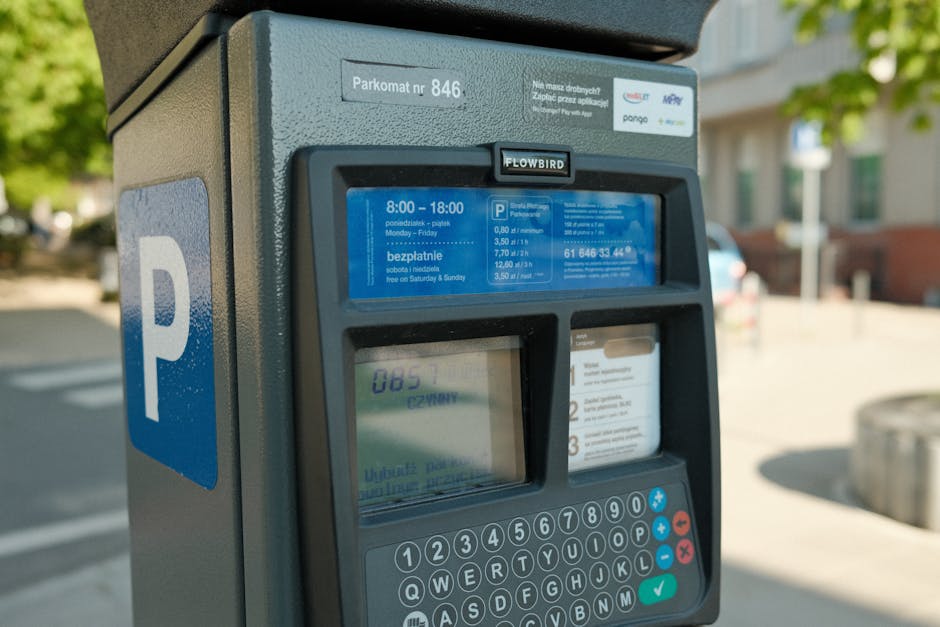
Barnet Council parking permits and Finchley removals: a practical guide for a smoother move
If you are planning a move in Finchley, one of the first things that catches people out is parking. Barnet Council parking permits and Finchley removals go hand in hand more often than you might expect. You can have the best packing plan in the world, but if the van cannot stop close enough to the property, the whole day gets slower, heavier, and a lot more stressful.
That is the real issue here: not just where to park, but how to make the move workable in a busy North London setting. Finchley has a mix of residential roads, controlled parking zones, busy high streets, narrow access streets, and the sort of awkward curb space that disappears just when you need it. This guide breaks down what matters, how parking permits fit into the moving process, and what to do so your removal day runs with far less faff.
Whether you are moving from a flat near North Finchley, shifting furniture from a terraced house, or organising a larger home or office move, the details matter. A little planning here saves a surprising amount of time later. And, to be fair, nobody wants to spend their move day circling the same block while a sofa waits on the pavement.
Table of Contents
- Why Barnet Council parking permits and Finchley removals Matters
- How Barnet Council parking permits and Finchley removals Works
- Key Benefits and Practical Advantages
- Who This Is For and When It Makes Sense
- Step-by-Step Guidance
- Expert Tips for Better Results
- Common Mistakes to Avoid
- Tools, Resources and Recommendations
- Law, Compliance, Standards, or Best Practice
- Options, Methods, or Comparison Table
- Case Study or Real-World Example
- Practical Checklist
- Conclusion
- Frequently Asked Questions
Why Barnet Council parking permits and Finchley removals Matters
Moving day can be smooth on paper and chaotic in real life. In Finchley, parking is one of the biggest reasons. Streets are often busy, spaces are shared, and restrictions can change from one road to the next. If your removal vehicle is parked too far away, every box, bed frame, and wardrobe has to be carried farther than necessary. That sounds minor until you are on your third trip with a heavy chest of drawers.
Barnet Council parking permits matter because they help you use road space correctly and avoid penalties where restrictions apply. For removals, the practical value is even bigger than the paperwork. A suitable parking arrangement can reduce loading times, protect fragile items, and keep the crew focused on the move rather than on traffic wardens or blocked access. Simple, really, but easy to overlook.
There is also a neighbourhood factor. In Finchley, you are often dealing with shared residential streets, schools nearby, busy weekend traffic, and residents who need their own access kept clear. A poorly planned move can create frustration for everyone around you. A well-planned one tends to feel almost invisible. That is the goal.
Expert summary: the best Finchley moves usually start before the first box is lifted. Parking, access, and timing are not side issues; they are part of the move itself.
How Barnet Council parking permits and Finchley removals Works
At a practical level, the process comes down to matching your move with the parking rules on your street. Some roads may have permit bays, some may have time-restricted controls, and others may have loading restrictions or yellow lines. The exact arrangement can vary, so you need to check the location carefully rather than assuming a standard rule applies everywhere in Finchley.
If your move vehicle needs to stop close to the property, you may need permission or a temporary parking arrangement. In some cases, the move can be managed within the existing rules if loading is allowed and the vehicle stays within permitted conditions. In other cases, you may need to organise a permit or make other arrangements to avoid obstruction. This is where planning beats guesswork every time.
For removals, parking planning should be treated as part of the quote and the survey, not as a last-minute admin task. The size of the van, the time of day, the floor level, the lift access, and the distance from vehicle to front door all affect how long the move takes. The closer the vehicle can get, the better the flow. You feel it immediately on the day.
If you are using a professional team, it helps to discuss parking details early. A removal crew can often advise on van size, loading approach, and what access issues to anticipate. Some people also combine this with services such as a man with a van for smaller jobs or more complete removals support when the move needs a fuller setup. Choosing the right type of service matters because parking pressure is very different for a single van compared with a larger multi-item move.
Key Benefits and Practical Advantages
Getting the parking side right gives you more than convenience. It changes the whole pace of the move. Here are the main advantages people notice:
- Less carrying distance: shorter walks mean quicker loading and unloading, and fewer chances to bump walls, stair rails, or door frames.
- Lower stress: when the van is close, the move feels manageable instead of chaotic.
- Reduced delays: fewer wasted minutes looking for parking or moving items from a distant spot.
- Better protection for belongings: fragile items spend less time in transit between property and vehicle.
- More efficient use of the removal crew: professionals can keep the day moving instead of waiting around.
- Lower risk of penalties: proper parking arrangements reduce the chance of an avoidable ticket or complaint.
There is a quieter benefit too. Good parking planning keeps the move calmer for neighbours and building managers. In apartment blocks, that can make a real difference. No one likes a van blocking the entrance at 8:30 in the morning with the kettle just boiling inside and someone trying to get past with a buggy. Little things, but they matter.
Who This Is For and When It Makes Sense
This topic matters for more people than you might think. It is not only for big house moves. In Finchley, parking planning is useful if you are:
- moving out of a flat with limited street access
- relocating from a terraced house on a narrow road
- booking a student move where time is tight
- planning an office relocation in or around Finchley
- moving bulky furniture that needs van access close to the entrance
- using flat removals or a smaller vehicle for a partial move
- working with storage because you cannot move everything in one go
It also makes sense if you are dealing with awkward access, such as basement flats, top-floor walk-ups, or homes on roads where parking is already competitive. If the move includes heavy items like pianos or wardrobes, parking becomes even more important. That sort of job should never be treated like a quick lift-and-drop.
For commercial customers, parking planning is just as relevant. Shops, offices, and mixed-use properties often have loading constraints and busy daytime traffic. If you are comparing options, office removals and commercial moves usually need an extra layer of planning because timing and curb access are tied to business continuity.
Step-by-Step Guidance
Here is a practical way to approach Barnet Council parking permits and Finchley removals without overcomplicating it.
- Check the exact address and road restrictions. Do not assume one Finchley road works like another. Look at the street outside your property and the nearest side roads too.
- Confirm the move date and time. Parking conditions can change between weekdays, evenings, and weekends. Timing matters more than people realise.
- Decide what size vehicle you need. A smaller van might fit easier, but it may need more trips. A larger van may need more careful parking access.
- Speak to your removal provider early. Let them know about bays, controlled zones, loading areas, steps, lifts, and narrow driveways.
- Arrange the correct parking solution. If a permit, dispensation, or alternative loading arrangement is needed, sort it out before moving day.
- Prepare the property access route. Keep hallways clear, protect flooring if needed, and make sure keys, fobs, or intercom access are ready.
- Load the vehicle logically. Heaviest items first, fragile items secured, and essentials kept easy to reach.
- Do a final street check before the team starts. Sometimes the most obvious parking space is suddenly gone. That happens. More often than you would think.
If you are moving from a top-floor flat or a property with awkward access, consider whether packing support would help keep the day steady. Services like packing and unpacking services can reduce the scramble, while packing and boxes help you stay organised before the van even arrives. It sounds small, but good packing and good parking are a very decent pair.
Expert Tips for Better Results
There are a few move-day habits that consistently make a difference.
1. Aim for the shortest sensible carry route
Even if the vehicle cannot park right outside, try to reduce distance as much as possible. One extra minute spent finding a better loading position often saves ten minutes of carrying.
2. Build in a buffer for permit or parking changes
Things shift. A neighbour may park in the spot you expected to use. Roadworks may appear out of nowhere. Give yourself slack so the whole plan does not wobble at the first hiccup.
3. Match the vehicle to the property, not the other way round
Too many people choose the van first and then discover the street is awkward. In a tight Finchley road, a slightly smaller vehicle can sometimes be the smarter choice. Not glamorous, but effective.
4. Use daylight where possible
If you can, choose a daytime slot. It is easier to check kerbs, signs, bay markings, and loading space in daylight. Early mornings can be quieter, though, so there is a balance.
5. Keep essential items separate
Documents, keys, chargers, medication, and first-night basics should not be buried in the back of a van. You do not want to be hunting for a kettle at 9 p.m. among twelve labelled boxes and a missing screwdriver.
A small practical aside: the best movers tend to ask annoying questions early. What floor is the flat on? Is there a lift? Is the road single-file at school pick-up time? Where can the van actually stop? Those questions save the day. Every time.
Common Mistakes to Avoid
The mistakes are usually simple, which is why they keep happening.
- Assuming parking is "fine" without checking the street signs. It is rarely that simple in Barnet.
- Leaving permit arrangements until the week of the move. That creates stress and limits your options.
- Booking a van that is too large for the access. Bigger is not always better.
- Forgetting about loading restrictions at certain times of day. A road that looks empty can still have rules attached to it.
- Not telling the removal team about staircases or long carries. They can only plan around what they know.
- Blocking neighbours or shared entrances without warning. It may seem harmless, but it can trigger complaints very quickly.
- Ignoring weather and road conditions. Rain, ice, and narrow wet pavements make carrying heavier and slower. London weather being London weather.
One more thing: if you are tempted to improvise on the day, pause and think twice. A five-minute shortcut can become a fifty-minute headache if the parking situation turns messy.
Tools, Resources and Recommendations
You do not need a complicated toolkit to manage this well. What you do need is the right information and a bit of structure.
Useful things to have ready:
- a copy of your moving date and time
- the exact property address and postcode
- photos of the street outside the property
- details of any bay markings, yellow lines, or loading points
- your inventory or list of large items
- floor level and lift details for flats
- contact details for the people handing over keys
It can also help to compare removal options depending on your move size. A compact move may suit man and van services, while a larger family move might be better supported by home moves or even a dedicated house removals service. If you are dealing with bulky single items, furniture removals or piano removals may be more suitable.
For people who need somewhere temporary between addresses, storage can be a useful pressure valve. It helps if the parking situation on one side of the move is awkward or if completion dates do not line up neatly. Not ideal, but very common.
Law, Compliance, Standards, or Best Practice
Parking rules in London are not something to treat casually. Local restrictions, permit requirements, and loading limitations exist for a reason: to keep traffic moving, protect residents, and reduce disruption. For removals, the main best practice is straightforward: check before you block, and plan before you park.
Exact arrangements can vary from road to road, and council rules may change over time. So the safest approach is to verify the specific location and treat temporary loading space as a managed part of the move, not an assumption. If you are not certain about the rules outside the property, it is wiser to double-check than to rely on memory or what someone once did two streets over.
Removal companies and customers also have a shared responsibility to keep access safe. That includes not obstructing emergency routes, not overloading pavements, and making sure items are moved carefully enough to avoid damage to the building or neighbouring property. In practical terms, best practice looks like this:
- keep routes clear wherever possible
- use suitable vehicle access for the property type
- protect doorways and communal areas where needed
- communicate with building managers in advance if applicable
- respect time restrictions and local conditions
For a trustworthy move, insurance and safety matter too. If you are choosing a provider, it is sensible to review their insurance and safety approach, along with their health and safety policy. Those pages are not just formalities; they tell you how seriously a team treats the practical side of the job.
Options, Methods, or Comparison Table
There is no single best way to handle Finchley parking for removals. The right method depends on your property, item volume, and access restrictions. Here is a simple comparison to help you think it through.
| Approach | Best for | Strengths | Trade-offs |
|---|---|---|---|
| Small van with shorter carry | Flats, single-room moves, lighter loads | Easier to manoeuvre, often simpler to park | May require more trips |
| Medium or larger removal vehicle | Full house moves, bulky furniture | Fewer trips, better for volume | May need more careful parking and access planning |
| Parking permit or arranged loading access | Controlled streets and tight residential roads | Reduces parking uncertainty | Requires advance planning and correct timing |
| Split move with storage | Move dates that do not align or restricted access | Less pressure on one day | Extra handling and coordination |
For some people, a same-day solution is still possible if the route and parking are straightforward. For others, a split move is actually calmer. There is no prize for forcing everything into one frantic morning. If the road is tight and the building awkward, a cleaner setup usually wins.
Case Study or Real-World Example
Here is a typical Finchley scenario. A couple moving from a second-floor flat near a busy residential street had their belongings packed neatly, but the road outside was already busy by mid-morning. A large van would have struggled to sit close to the entrance, and the stairwell was narrow enough to make long carries miserable.
Instead of winging it, they checked the access early, chose a more suitable van size, and made sure the loading route was clear before the team arrived. They also kept essentials separate, which saved a lot of digging around later. The move still took effort, of course. Moves always do. But the difference was obvious: fewer delays, less back-and-forth, and no last-minute panic about where the vehicle could stop.
That sort of result is common when parking is planned properly. The furniture does not get magically lighter, but the whole experience becomes more manageable. And after a long day, that really counts.
Practical Checklist
Use this checklist before your Finchley move day:
- Check the exact parking restrictions on your street
- Confirm whether a permit, loading allowance, or alternative arrangement is needed
- Tell your removal team about access issues in advance
- Measure doors, stairways, and awkward corners
- Decide whether your move suits a small van or larger vehicle
- Keep essential items separate and clearly labelled
- Protect floors and walls if the route is tight
- Alert neighbours or building management if needed
- Prepare keys, codes, and contact details ahead of time
- Build in extra time for parking and loading, just in case
Quick takeaway: the safest move is not always the fastest-looking one. It is the one that fits the street, the property, and the vehicle without forcing the issue.
Conclusion
Barnet Council parking permits and Finchley removals are connected in a very practical way: if the parking side is handled well, the move becomes easier, safer, and less stressful. In a place like Finchley, where roads can be busy and access varies from one block to the next, that planning is not a bonus. It is part of doing the job properly.
The main thing to remember is simple. Check the street, match the vehicle to the access, and give yourself enough time to deal with parking without panic. Whether you are moving a small flat, a family home, or a business premises, that approach saves energy and reduces mistakes. Not glamorous, maybe, but effective. And on moving day, effective is what you want.
If you are comparing move options, the next sensible step is to look at your property access, the size of your load, and the type of support that makes the day easier rather than harder. A little clarity now can save a lot of noise later. Quite literally, sometimes.
Get a free quote today and see how much you can save.
Frequently Asked Questions
Do I need a parking permit for removals in Finchley?
Not always, but you should not assume you can park anywhere near the property without checking. Some roads have permit bays, loading restrictions, or time-based controls. The exact need depends on the street and the type of stop your removal vehicle needs to make.
Can a removal van stop on yellow lines while loading?
Sometimes loading may be permitted under certain conditions, but it depends on the location, the restriction in place, and whether the vehicle is actively loading or unloading. It is always safer to check the specific street rules rather than rely on a general assumption.
How far in advance should I sort out parking for a move?
The earlier, the better. Ideally, parking should be considered as soon as the move date is known. Leaving it to the last minute can reduce your options and make the day more stressful than it needs to be.
What happens if the parking space I planned to use is taken on move day?
That happens more often than people expect. A good plan includes a backup option, such as a nearby loading position or a smaller vehicle that can fit into more limited access. A little flexibility goes a long way.
Is a smaller van better for Finchley streets?
Often yes, especially on tight residential roads or when parking is limited. But the right vehicle depends on the size of your move. A smaller van may be easier to place, yet it could require more trips.
Can office removals in Finchley be done without a parking permit?
Sometimes they can, depending on the road, the timing, and the loading conditions. Office moves usually need a more careful access plan because business traffic, visitors, and building rules can all affect the schedule.
What should I tell my removal company about parking?
Give them the full picture: bay markings, road restrictions, floor level, lift access, narrow entrances, and whether the van can stop close to the property. The more accurate the details, the better they can plan.
Do top-floor flats make parking more important?
Yes, because every extra metre from vehicle to door adds time and effort. If the property has stairs and no lift, close access becomes even more valuable. It is one of those things you only fully appreciate on the day.
Are parking issues the same across all of Barnet?
No, restrictions can vary significantly from one street to another. Even nearby roads may have different controls. That is why checking the exact address matters more than relying on general area knowledge.
What if I need storage during the move?
Storage can help if dates do not line up neatly or if the parking and access plan would otherwise be too tight. It can reduce pressure on moving day and make the process more flexible, especially for larger or phased moves.
How can I make moving day less stressful overall?
Keep the essentials simple: book the right vehicle, check parking restrictions early, pack clearly, and leave time for surprises. Most moving stress comes from avoidable uncertainty, not the lifting itself.
What is the smartest first step if I am moving in Finchley?
Start with access. Before you finalise anything else, look at the parking situation outside the property and think about how close a removal vehicle can realistically get. That one step often shapes the rest of the plan.